
The psychology behind risk Understanding the mental effects of gambling
The Allure of Risk in Gambling
The psychology of gambling reveals why many people are drawn to the thrill of risk. This attraction often stems from the anticipation and excitement that comes with uncertainty. When players take a gamble, they engage in a mental process that heightens their senses, leading to a rush of adrenaline. This emotional response can be intoxicating, making the act of gambling feel exhilarating and rewarding. For many, the uncertainty itself is part of the appeal, with the potential for high rewards amplifying this feeling. At Jet Bingo Casino, you can discover exciting games and the exhilarating rush of online play at https://jetbingocasino.co.uk/.
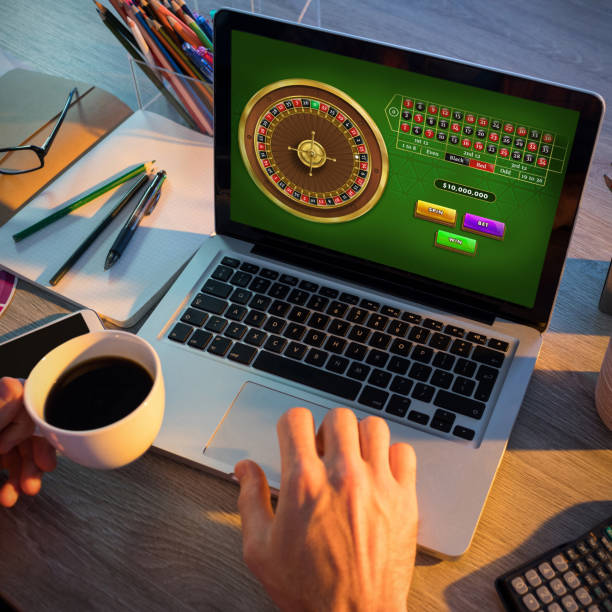
Moreover, the concept of risk is intricately tied to human behavior and decision-making. People often perceive gambling as a way to escape their routine lives, allowing them to experience a heightened state of awareness. The excitement of placing a bet or playing a hand can be likened to the thrill of adventure sports, where the risk involved adds to the overall experience. This thrill-seeking behavior can be attributed to dopamine release in the brain, reinforcing the desire to engage in such activities repeatedly.
However, it is essential to recognize that this allure can lead to misconceptions about the reality of gambling. Many believe that their chances of winning are better than they actually are, leading to overconfidence and continued participation despite losses. This cognitive bias can create a cycle of chasing losses, where players become trapped in a mindset that they will eventually „hit it big.” Understanding the psychological dynamics behind risk is crucial for recognizing the potential pitfalls associated with gambling.
The Impact of Cognitive Biases
Cognitive biases play a significant role in how gamblers perceive risk and reward. The illusion of control is one such bias, where individuals believe they can influence outcomes through skill or strategy, despite the random nature of many gambling games. This false sense of control can lead to overconfidence, prompting players to wager more than they should. For instance, card games like poker may foster the belief that players can read their opponents and predict their moves, leading them to make riskier bets.
Another prevalent cognitive bias in gambling is the gambler’s fallacy, which occurs when individuals assume that past events influence future outcomes. For example, a player might believe that because a certain number has not come up in a slot machine, it is „due” to appear. Such thinking can lead to unrealistic expectations and increased risk-taking, as players continue to gamble in the hope of breaking what they perceive to be a streak. This disconnect from probability can have significant financial consequences.
Understanding these cognitive biases can aid individuals in recognizing when their judgment may be clouded. By acknowledging the psychological factors at play, gamblers can make more informed decisions regarding their betting behaviors. Awareness of cognitive biases allows players to step back and assess their strategies, ultimately fostering a healthier relationship with gambling and reducing the likelihood of falling into a risk-heavy mindset.
The Role of Emotion in Gambling Decisions
Emotions significantly influence decision-making in gambling, often leading to irrational choices. Players frequently experience a wide range of emotions, from excitement and hope to anxiety and despair. This emotional rollercoaster can cloud judgment and prompt individuals to make decisions based on feelings rather than logic. For example, a player who is on a winning streak may feel invincible, leading them to take greater risks than they would under normal circumstances.
Conversely, negative emotions such as stress and sadness can result in destructive gambling behaviors. Some individuals use gambling as a coping mechanism to escape their emotions, believing that winning could alleviate their problems. This approach can create a detrimental cycle, as losses often exacerbate negative feelings, leading to further gambling as an attempt to regain control. Recognizing the emotional triggers behind gambling can empower individuals to address these feelings in healthier ways.
Moreover, the social environment in which gambling occurs can amplify emotional responses. The excitement of a casino atmosphere, combined with peer influence, can lead to impulsive decisions. Celebrating wins with friends or trying to keep pace with others can cloud judgment and lead to increased risk-taking. By understanding the emotional aspects of gambling, individuals can develop strategies to mitigate impulsive actions and foster a more balanced approach to risk management.
Understanding Addiction and Compulsive Behaviors
The relationship between gambling and addiction is complex and rooted in psychological factors. For some individuals, the thrill of risk evolves into a compulsive behavior where gambling becomes an uncontrollable urge. This transformation can be traced back to how the brain processes rewards and risks. The release of neurotransmitters like dopamine during gambling can create a cycle where individuals seek out that pleasurable feeling, often leading to destructive behavior patterns.
Moreover, gambling addiction can be difficult to recognize, as many individuals justify their actions as harmless fun. However, when gambling leads to significant financial, emotional, or social consequences, it becomes evident that the risk involved is no longer just a game. Understanding the signs of gambling addiction is vital for those who may be struggling, as early intervention can significantly improve outcomes.
Compulsive gambling not only affects the individual but also impacts their loved ones and community. Many affected individuals find themselves trapped in a cycle of deception, often lying about their gambling habits to avoid confrontation. Building awareness about gambling addiction is crucial for fostering a supportive environment where individuals feel comfortable seeking help and addressing their challenges.
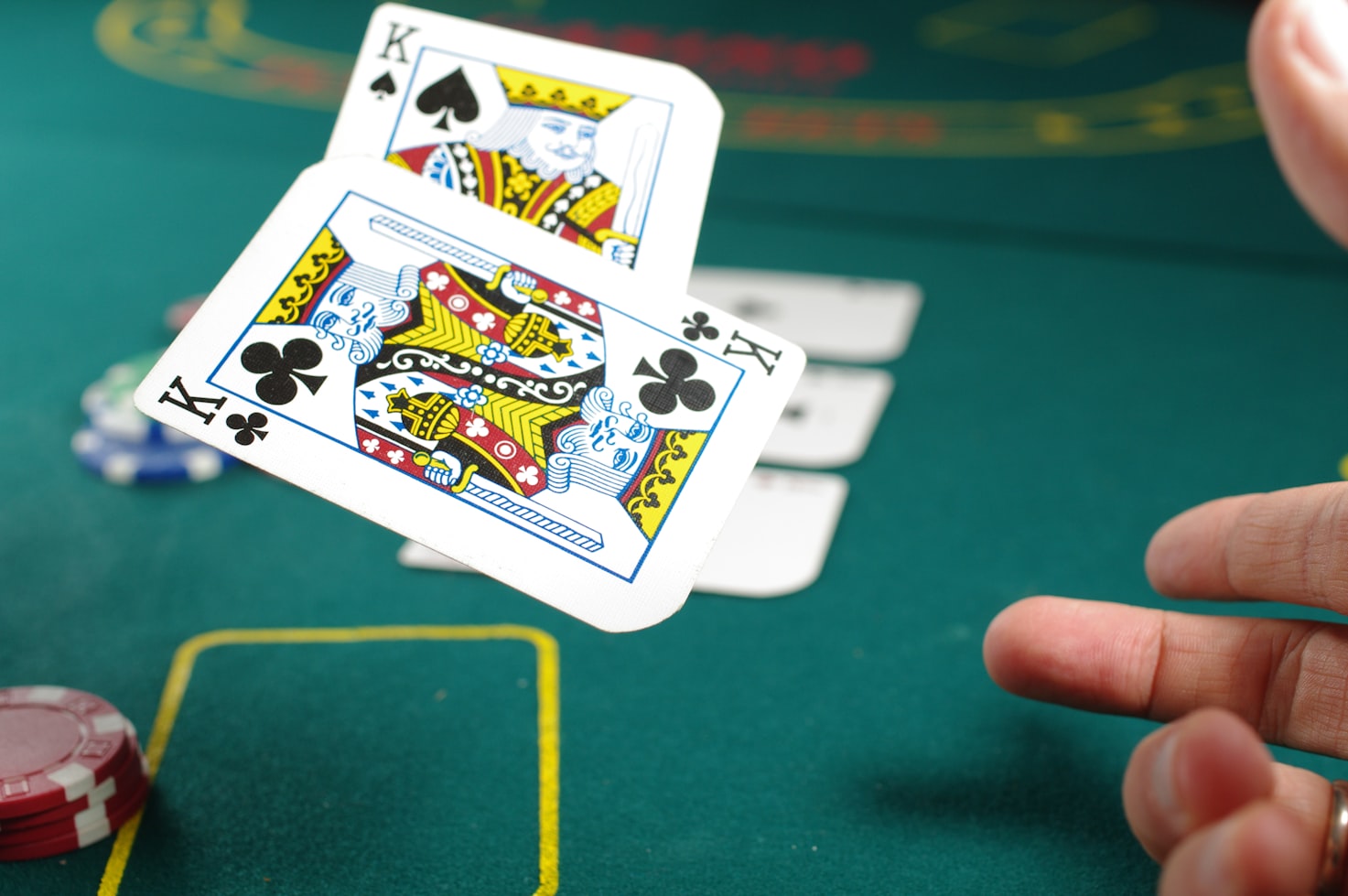
Join a Safe Gambling Environment with Jet Bingo Casino
At Jet Bingo Casino, we prioritize the well-being of our players by offering a secure and enjoyable gaming experience. Our platform emphasizes responsible gambling practices, providing resources and support for those who may need assistance. By fostering a safe environment, we aim to empower our players to make informed decisions and enjoy gambling without the adverse effects associated with risky behaviors.
Our extensive selection of games, including slots and table games, is designed to deliver engaging experiences while keeping player safety at the forefront. With user-friendly navigation and swift transaction options, both newcomers and seasoned players can immerse themselves in thrilling entertainment. We are committed to creating a responsible gaming community where the excitement of risk can be balanced with informed choices.
Join us at Jet Bingo Casino today to take advantage of generous bonuses and explore our wide array of games. Experience the thrill of gaming while knowing that your safety and well-being are our top priorities. Together, we can enjoy the excitement of gambling responsibly and understanding the psychological aspects that accompany it.